As any professional in any industry, we dream of having a business that is easeful, inspiring, and, most importantly, efficient.
There are multiple tools that can help you do that. If you are an interior designer, Houzz is one of them!
Houzz is an online hub for interior designers, contractors, remodelers, and homeowners. Think of it as the LinkedIn for home improvement professionals. The online community houses information and resources about architecture, interior design and decorating landscape design, and home improvement. Houzz provides a streamlined experience for home renovation and design including connecting homeowners with the right professional for their needs.
The founders of Houzz, Adi and Alon, recognized a gap in the market of home design and renovation. They spent hours outsourcing all their design needs, looking through interior design referrals, and turning the pages of worn-out magazines for inspiration.
So, they built Houzz, a home for everything. Literally.
All your design needs, whether you are a homeowner or design professional, are all in one place with Houzz. Which sounds extremely enticing doesn’t it?
What started as a side project has now grown to a community of millions of homeowners, home design enthusiasts, and home improvement professionals around the world. There are resources for the smallest of design projects to the grandest of transformations. It certainly sounds like the place to be, so let’s check it out.
For home professionals, Houzz Pro offers the best solution to help you win clients, stand out from the crowd and manage your projects efficiently and profitably. Their all-in-one tool for marketing and project and client management is built specifically for remodeling and design professionals.
Let’s look at some of the features.
Market Your Brand
Houzz Pro helps designers to build their personal brand. With tools to aid in lead generation, targeted local marketing, and guidance on how to create a powerful premium profile to attract clients. You can then showcase your business in the Houzz directory.
Clients can then contact you directly if they like what they see – all they need to do is fill out a form via your Houzz profile, and they can even request a quote from you.
As Houzz works like a search engine, this means you need to make sure you use the right keywords and that you tag your images properly. Think of keywords your ideal client would use when searching for you. For example, “simple kitchen renovation” or “warehouse apartment renovation”.
These search terms need to become a part of your profile to help customers figure out if you are the designer for them. Do you have a specific design niche? Make sure this is clear.
Before and after photos are huge on Houzz so be sure to include as make of these as possible.
Share Your Vision
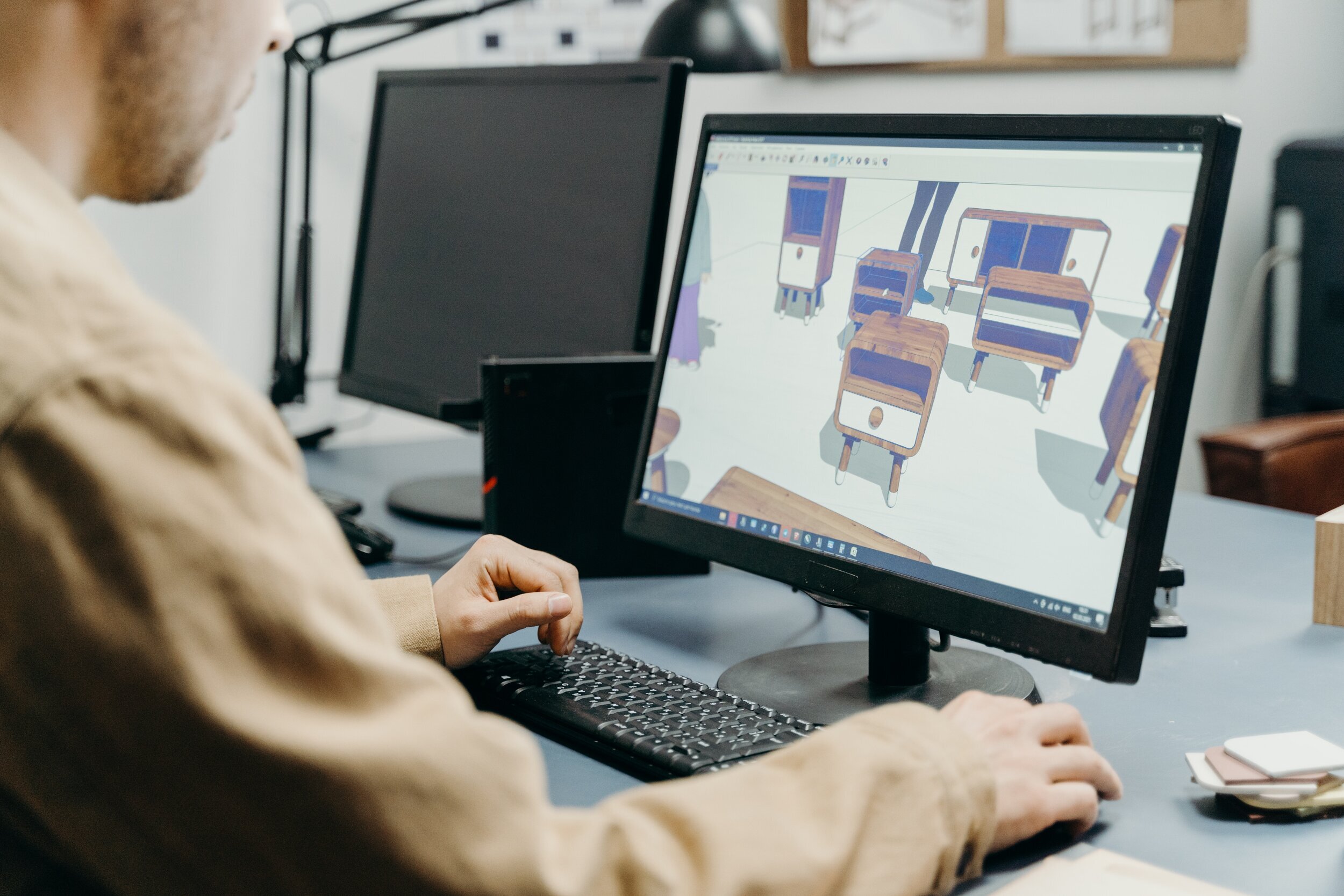
With Houzz Pro all marketing and business tools are in one place with their project management suite. Create mood boards to bring your clients’ visions to life and show them the end result with a fantastic 3D floor planner. This feature allows you to build in 2D and showcase in 3D.
You can also create Ideabooks to share with clients. You can either upload your own images or find photos on the website’s extensive directory.
Expand Your Business
Houzz allows you to get paid fast and efficiently as everything really is in one place. Designers can benefit from their specialized sourcing, proposal, invoicing, and reporting tools. Turning leads into jobs quickly.
You can schedule a free demo with Houzz Pro on their website.

For more ideas on how to expand your online presence as an interior designer and grow your business, check out: TOP 3 SOCIAL MEDIA PLATFORMS FOR INTERIOR DESIGNERS
Not on Houzz yet? What is holding you back? If you are ready to grow your interior design business and need help growing your online presence, now is your time!
Click here to schedule a Complimentary Brand Consultation.
Like this article? Pin it for later! 📌